What Makes automotive window tinting clinton township an Ideal Choice for Commuters?
Everything You Need to Understand About Car Window Tinting for Your Vehicle
Vehicle home window tinting is a functional improvement for many automobile owners. It provides benefits such as boosted comfort and energy performance. Numerous tint movies cater to various needs and preferences. Nonetheless, understanding legal regulations and choosing the ideal color portion is essential. The setup process and appropriate upkeep likewise play considerable duties in ensuring the durability of the color. What other elements should one take into consideration prior to choosing on home window tinting?
Advantages of Auto Home Window Tinting
Although some lorry proprietors might ignore it, car home window tinting offers countless benefits that improve both the driving experience and the lorry's long life. Among the primary advantages is the decrease of warm buildup inside the lorry, enabling an extra comfortable experience, particularly during heat. This can result in lowered dependence on air conditioning, boosting gas efficiency.Additionally, home window tinting supplies defense against dangerous UV rays, which can trigger skin damages and discolor indoor materials over time. By blocking these rays, the color helps maintain the lorry's inside and maintain its resale value.Moreover, tinted windows can improve privacy and safety and security, as they make it extra challenging for outsiders to see inside the automobile. This included layer of protection can discourage possible burglary. Overall, vehicle window tinting works as a functional investment that adds to both convenience and the automobile's general well-being.
Kinds Of Home Window Color Films
When thinking about vehicle window tinting, vehicle owners encounter a variety of window tint films, each created to meet particular requirements and choices. The very first classification is colored home window film, which provides a basic level of privacy and UV security while being cost-effective. Next, metalized films include small metallic fragments, mirroring warmth and enhancing longevity, although they may conflict with electronic signals.Ceramic movies are another option, understood for their remarkable warmth denial and clarity, offering high performance without signal disturbance. Ultimately, hybrid films incorporate attributes of colored and metalized films, striking a balance between cost and functionality. Each kind of home window tint film offers special advantages, enabling lorry proprietors to pick based on their particular demands, such as warm budget, control, and look considerations. Comprehending these choices is vital for making an educated decision regarding auto window tinting.
Understanding Legal Rules
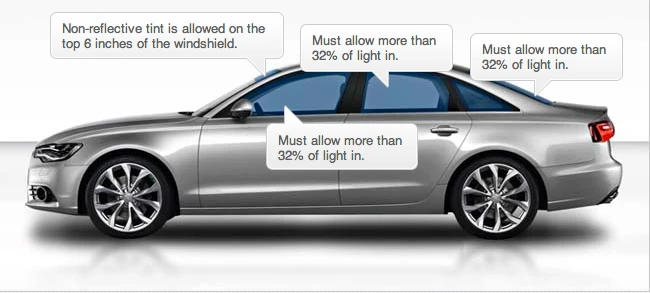
When considering vehicle window tinting, it is vital to understand the legal regulations that govern color darkness limitations and windscreen color needs. These laws can differ considerably from one state to another, affecting what is permissible for lorry proprietors. Familiarizing oneself with these legislations warranties conformity and assists prevent potential penalties or penalties.
Tint Darkness Restrictions
How can lorry owners ensure they continue to be certified with neighborhood regulations pertaining to home window tinting? Recognizing tint darkness restrictions is crucial. Each state has details policies that determine the permitted levels of darkness for window tints, which are determined by Visible Light Transmission (VLT) portions. Normally, front-side home windows must allow a higher portion of light compared to rear home windows. Some states might enable only 30% VLT for front windows, while the rear windows might be allowed to have significantly darker tints. To guarantee compliance, vehicle owners must consult state standards or regional regulation enforcement for exact info. Furthermore, accredited tinting experts can give understandings about legal restrictions, making certain that vehicle proprietors make informed choices.
Windshield Tint Rules

State-Specific Legislations
Guiding via the landscape of state-specific laws relating to auto window tinting requires mindful interest to detail, as laws can vary considerably from one state to another. Each state has its own set of policies governing permitted color portions, types of materials, and placement on lorry home windows. For circumstances, some states allow darker colors on rear home windows while prohibiting them on front windows, while others have more stringent overall limitations. Furthermore, particular states mandate making use of certain products or require qualification from installers. Failure to follow these guidelines can cause penalties or the need to eliminate non-compliant tint. Car owners need to consult their state's Division of Motor Vehicles or pertinent authority to ensure adherence to local laws.
Selecting the Right Tint Percent
When choosing the best tint percent for an automobile's home windows, one need to think about different variables that influence both visual appeals and performance. Tint portions commonly vary from 5% to 70%, with reduced percentages giving darker shades and greater percentages permitting much more light in. A darker color can boost privacy and reduce glare, while a lighter color can preserve presence and follow lawful restrictions.Furthermore, personal choice plays a substantial function in this choice. Some individuals may favor the smooth look of darker tints, while others may prefer a more open, airy feel. In addition, the car's purpose ought to be taken into consideration; for example, those using their lorries for business purposes may opt for lighter tints to keep a specialist look.Ultimately, the ideal color percentage balances personal style, convenience, and adherence to regional guidelines, guaranteeing an enjoyable tinting experience.
The Setup Refine
A successful installment of window tint calls for cautious attention to detail and the right tools. The process commonly starts with comprehensive cleaning of the windows to remove dirt, dust, and particles, ensuring appropriate bond of the film. When the surfaces are prepared, the installer steps and cuts the tint movie to fit each window accurately.Next, the film is positioned on the glass, typically utilizing an option to help with simple adjustment and prevent air bubbles. Heat is sometimes put on the film to adhere it to the window's contours, improving its appearance and long life. After validating a smooth fit, the installer carefully trims any excess movie along the edges.Finally, the installer look for imperfections and verifies all sides are protected. This precise technique is vital not just for aesthetic appeals but additionally for accomplishing the preferred efficiency benefits of home window tinting, such as UV security and heat decrease.
Upkeep and Take Care Of Tinted Windows
Appropriate upkeep and treatment are important for preserving the integrity of tinted home windows. Effective cleansing techniques, the evasion of damaging chemicals, and normal assessments for damage play crucial roles in making sure long life. By complying with these standards, vehicle proprietors can keep the functional and visual advantages of their home window tint.
Cleaning Up Methods for Color
Preserving the clearness and longevity of tinted home windows needs certain cleaning strategies customized to the movie's delicate surface. It is necessary to utilize a soft microfiber fabric to avoid scratching the color while cleaning. A gentle remedy of water and a few declines of light dish soap can effectively get rid of dust and grime. It is a good idea to use the cleansing solution to the fabric, instead of straight onto the colored surface area, to avoid wetness from permeating right into the sides of the film. Gentle, circular movements must be used to cleanse the home windows extensively. Regular cleaning assists preserve visibility and protects against buildup, ensuring that the tint remains in prime condition with time. Adhering to these techniques will extend the life of tinted windows.
Avoiding Unsafe Chemicals
Numerous home cleaning items are reliable on different surfaces, they can posture substantial threats to colored windows. Chemicals such as ammonia, bleach, and Our site particular solvents can weaken the tint film, leading to staining and peeling. People ought to choose pH-balanced cleansers particularly developed for tinted home windows. Furthermore, utilizing soft microfiber fabrics will help protect against scratches and keep the color's integrity. Normal upkeep is important; as a result, staying clear of harsh scrubbing up or unpleasant materials is vital. It is a good idea to read item labels carefully to confirm compatibility with window tints. By selecting the ideal cleaning services and devices, vehicle owners can preserve the look and capability of their tinted home windows, assuring a longer life-span and top efficiency.
Evaluating for Damage
Routine inspections of colored windows are necessary for determining any kind of indicators of damages that might compromise their performance and appearance. Owners need to search for gurgling, peeling off, or discoloration, as these problems can indicate bad installment or direct exposure to harmful aspects. It is recommended to examine the sides of the movie where peeling may evaluate and start for any scrapes that might influence exposure. In addition, ultraviolet (UV) rays can cause the tint to deteriorate over time, so monitoring its efficiency in obstructing UV light is crucial. If Resources any type of damages is found, punctual action should be taken, which may consist of specialist repair work or replacement. Maintaining tinted windows not just enhances aesthetics but also guarantees continued protection for both travelers and the car interior.
Usual Misconceptions Regarding Home Window Tinting
What misunderstandings surround window tinting for automobiles? Several people think that all home window tints are illegal, however laws differ by state, enabling certain levels of tinting. One more typical misconception is that darker colors obstruct even more heat; however, the effectiveness of home window movies depends upon their technology rather than darkness. Some individuals additionally believe that window tinting is solely for aesthetic appeals, ignoring its benefits, such as UV protection and glow decrease. Furthermore, numerous think that home window tinting will certainly harm their lorry's glass, yet properly used colors can actually boost glass resilience. There is a belief that home window tints block visibility, yet high-grade films are designed to preserve clear sightlines while supplying personal privacy. Understanding these misconceptions helps customers make informed choices relating to window tinting, guaranteeing they delight in the complete range of advantages it offers.
Often Asked Inquiries
Exactly How Lengthy Does Window Tinting Usually Last?
The longevity of home window tinting differs based on aspects such as installment high quality, movie kind, and environmental problems. Usually, premium tint can last anywhere from five to 10 years before needing replacement or reapplication.
Can I Remove Home Window Color Myself?
Getting rid of home window color oneself is possible, though it might be challenging. Individuals should make use of a warm source and glue cleaner to ease the process, but care is advised to prevent damaging the vehicle's glass or inside.
What Devices Are Required for Do It Yourself Window Tinting?
Will Home Window Tinting Damages My Automobile's Glass?
Home window tinting, when used appropriately, generally does not damage an auto's glass. Inappropriate installment or low-quality films may lead to peeling, bubbling, or scratching, potentially compromising the integrity of the glass over time.
Can Tinted Windows Affect My Car's Resale Value?
The effect of tinted home windows on a car's resale value can vary. While some purchasers appreciate the added privacy and UV protection, others may watch it as a potential issue, possibly influencing resale positively or negatively. When thinking about automobile window tinting, car owners encounter a selection of home window color films, each designed to meet specific demands and choices. When thinking about automobile home window tinting, it is crucial to understand the legal policies that regulate tint darkness limitations and windshield tint demands. Normally, front-side home windows should allow a greater portion of light compared to back windows. Some states may permit only 30% VLT for front windows, while the back windows might be allowed to have significantly darker tints. Some states allow darker tints on rear home windows while prohibiting them on front home windows, while others have more stringent general Website limitations.